

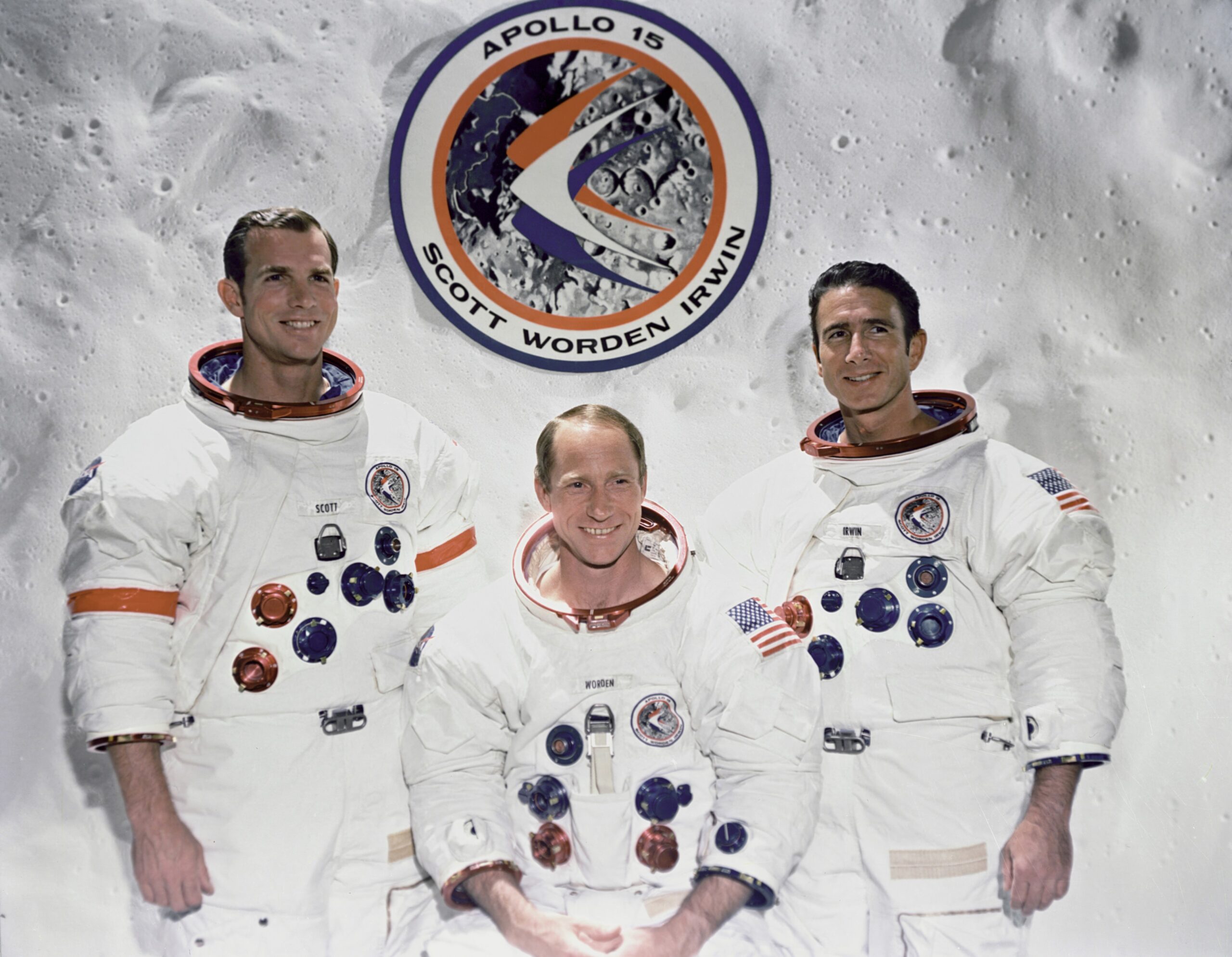
S-au împlinit 50 de ani de la prima misiune în care NASA a trimis pe Lună un rover. Apollo 15 a devenit a patra misiune în care oamenii au aterizat pe Lună. Lansarea a avut loc pe 26 iulie 1971, iar aselenizarea patru zile mai târziu.
NASA a numit misiunea cel mai de succes zbor cu echipaj uman realizat vreodată. Comandantul David Scott și pilotul Modulului Lunar James Irwin au petrecut trei zile pe Lună și un total de 18 ore în afara navei spațiale lunare.
Scott şi Irwin au fost primii care au condus un rover pe suprafaţa Lunii.
Când s-a aflat în fruntea misiunii, în 1971, Scott era deja veteran în călătoriile spaţiale, participând la misiunile Gemini 8 din 1966, alături de Neil Armstrong, iar apoi la Apollo 9, în 1969. După ce s-a alăturat NASA în 1963, Scott a totalizat un timp petrecut în spaţiu de 546 de ore şi 54 de minute. În urma încheierii activităţii de astronaut, Scott a fost director al Dryden Flight Research Center, cu sediul în Edwards, California, din cadrul NASA. În prezent, este colonel în rezervă în cadrul Forţelor Aeriene SUA.
Pentru James Irwin a fost singura călătorie în spaţiu. Irwin, colonel în rezervă, în Forţele Aeriene SUA, s-a alăturat NASA în 1966. A părăsit agenţia spaţială după zborul Apollo 15, realizat în 1972, pentru a deveni pastor, înfiinţând o organizaţie religioasă denumită High Flight Foundation, cu sediul în Colorado Springs. Irwin a decedat în 1991, în urma unui infarct.
Din misiune a făcut parte și pilotul modulului de comandă Apollo 15, Alfred Worden. Worden, care fusese pilot de încercare, a fost selectat ca astronaut de NASA în 1966. A pilotat modulul de comandă Endeavour din cadrul misiunii Apollo 15, în timp ce Scott şi Irwin se aflau pe suprafaţa selenară.

Apollo 15 – NASA, c1971. The prime crew for the Apollo 15 lunar landing mission: from left, David R. Scott, commander; Alfred M. Worden, command model pilot; and James B. Irwin, lunar module pilot, c1971.,Image: 517479173, License: Rights-managed, Restrictions: , Model Release: no, Credit line: Profimedia 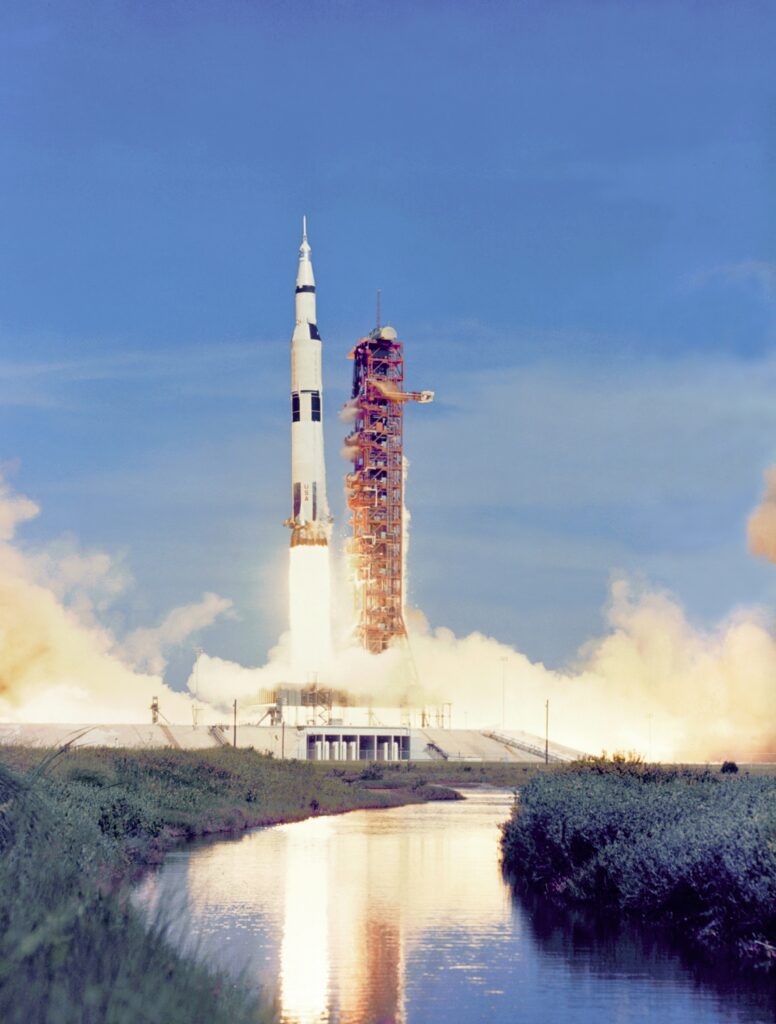
Apollo 15 – NASA, 1971. The 363-foot tall Apollo 15 Saturn V is launched from Pad A, Launch Complex 39, Kennedy Space Center, Florida, 9:34:00.79 a.m., July 26, 1971, on a lunar landing mission.,Image: 517478820, License: Rights-managed, Restrictions: , Model Release: no, Credit line: Profimedia 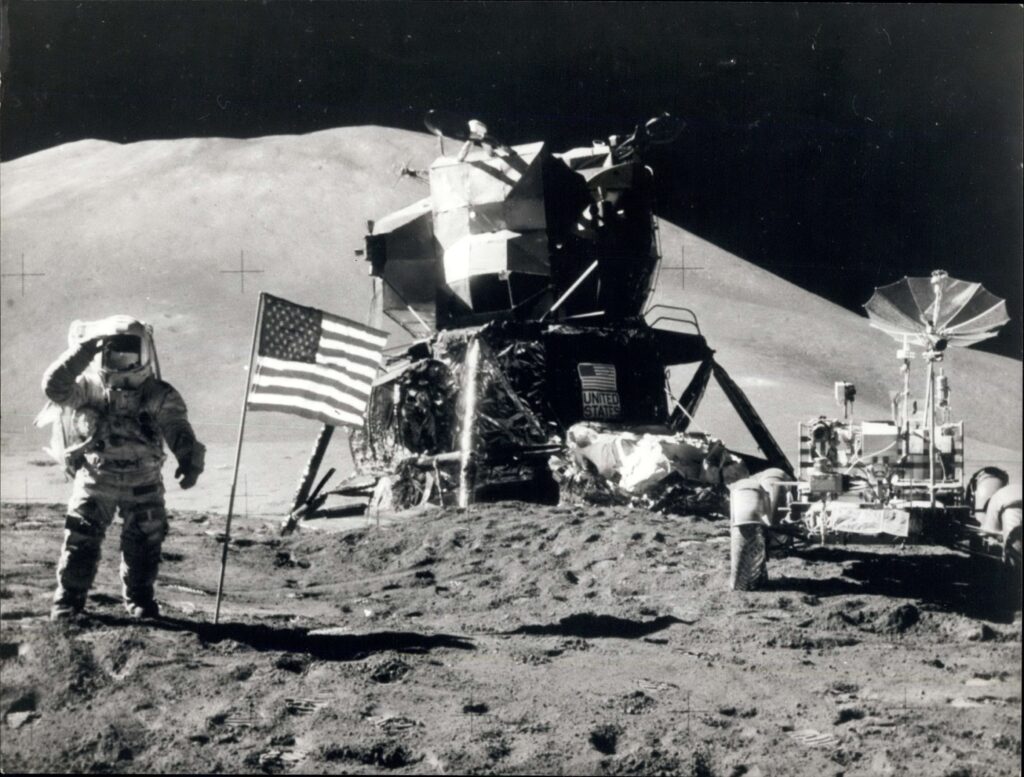
Aug. 12, 1971 – Saluting The Stars and Stripes – On The Moon: This picture, released by NASA was taken at Hadley Base on the Moon by Apollo 15 Commander, Col. David Scott. It shows Lt-Col. James Irwin, lunar module pilot, saluting the stars and Stripes planted beside the module and the astronauts rover. In the background are the foothills of the Appenines and behind the buggy is St. George Crater.,Image: 209827110, License: Rights-managed, Restrictions: , Model Release: no, Credit line: Profimedia 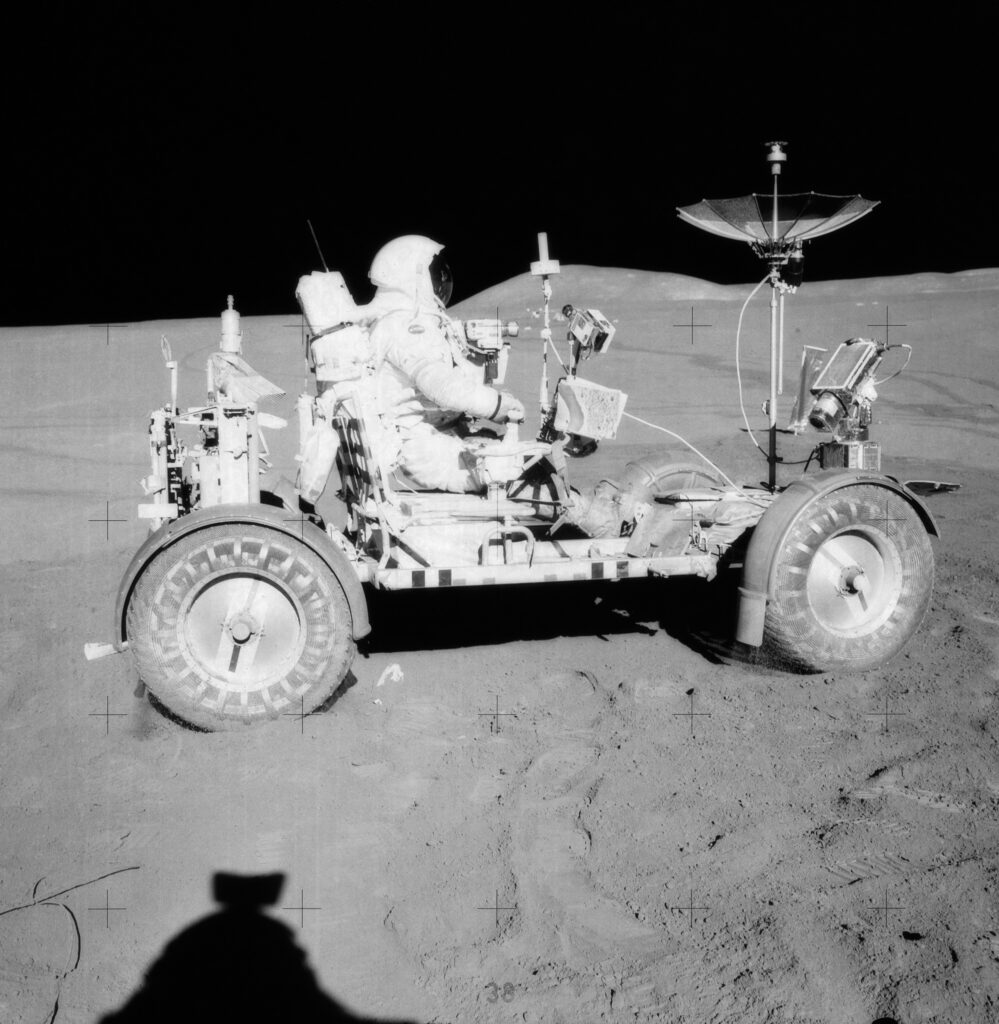
David R. Scott, Apollo 15 Commander, is seated in the Rover, Lunar Roving Vehicle (LRV) during the first lunar surface extravehicular activity (EVA-1) at the Hadley-Apennine landing site, August 1, 1971.,,Image: 295027456, License: Rights-managed, Restrictions: , Model Release: no, Credit line: Profimedia 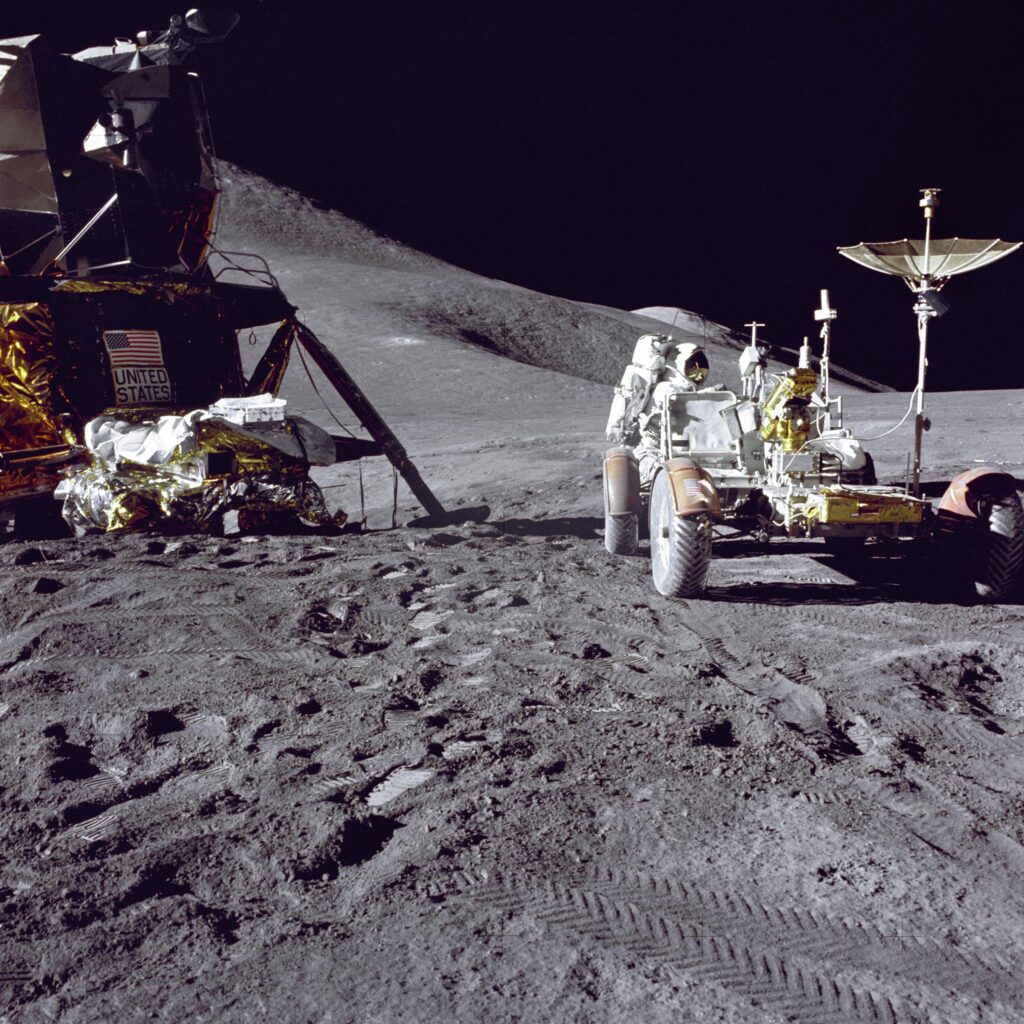
Editorial Use Only Apollo 15 lunar module pilot Jim Irwin loaded the Lunar Roving Vehicle with tools and equipment in preparation for the first lunar spacewalk at the Hadley-Apennine landing site. The Lunar Module ‘Falcon’ appears on the left in this image. The undeployed Laser Ranging Retro-Reflector lies atop Falcon’s Modular Equipment Stowage Assembly. This mission was the first time a lunar roving vehicl was used NASA Apollo 15 Space Mission – Jul 1971 Apollo 15 launched 40 years ago on July 26, 1971, from Launch Pad 39A at the Kennedy Space Center.,Image: 222653595, License: Rights-managed, Restrictions: Editorial Use Only, Model Release: no, Credit line: Profimedia 
Apollo 15 – NASA, 1971. Apollo 15 astronaut James Irwin uses a scoop to dig in the lunar soil in front of Mount Hadley, 1971.,Image: 517478937, License: Rights-managed, Restrictions: , Model Release: no, Credit line: Profimedia 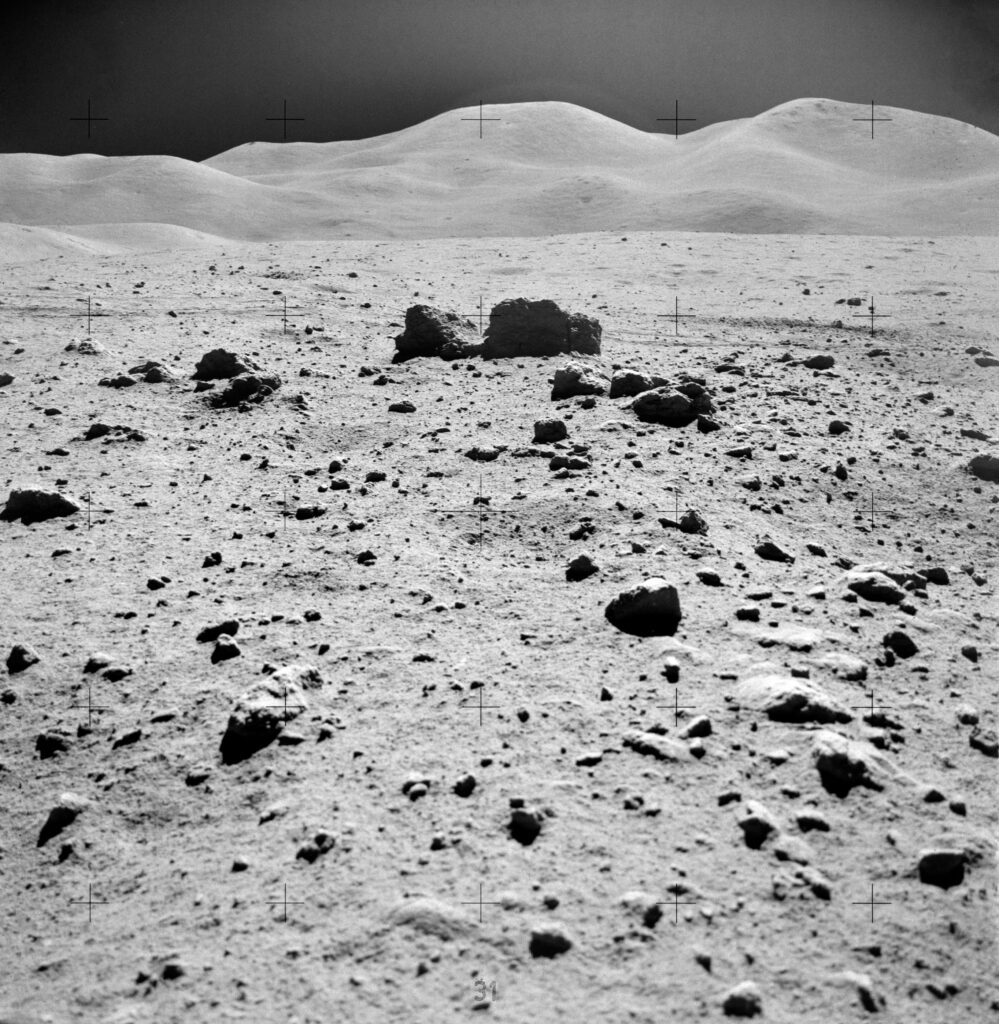
Photograph of the lunar surface taken by Apollo 15 astronaut James (Jim) Irwin. In the background is an area of the Apennine mountains named Swann Range by the crew, in honour of the mission’s geology team leader Gordon Swann. The Apollo 15 mission was the fourth to land on the Moon. Two of the crew (David Scott and James Irwin) spent nearly three days on the Moon from 30th July to 2nd August 1971, while the remaining crew member Alfred Worden remained in orbit.,Image: 268080280, License: Rights-managed, Restrictions: , Model Release: no, Credit line: Profimedia 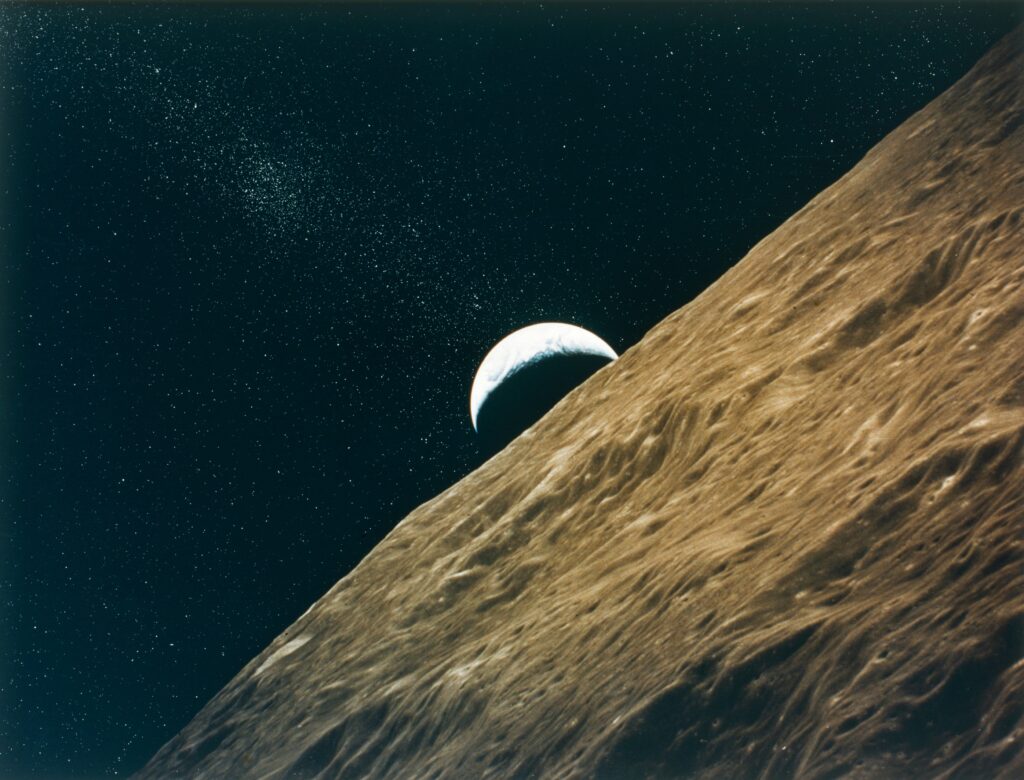
Earth rising above the Moon, seen from Apollo 15, July-August 1971. The crescent Earth rises above the lunar horizon, taken from the Apollo 17 spacecraft in lunar orbit during the final lunar landing mission in the Apollo program.,Image: 405827888, License: Rights-managed, Restrictions: , Model Release: no, Credit line: Profimedia 
Apollo 15 – NASA, 1971. Astronaut David R. Scott, commander, seated in the Lunar Roving Vehicle (LRV) during the first Apollo 15 lunar surface extravehicular activity (EVA) at the Hadley-Apennine landing site. This photograph was taken by astronaut James B. Irwin, lunar module pilot, 1971.,Image: 517479239, License: Rights-managed, Restrictions: , Model Release: no, Credit line: Profimedia 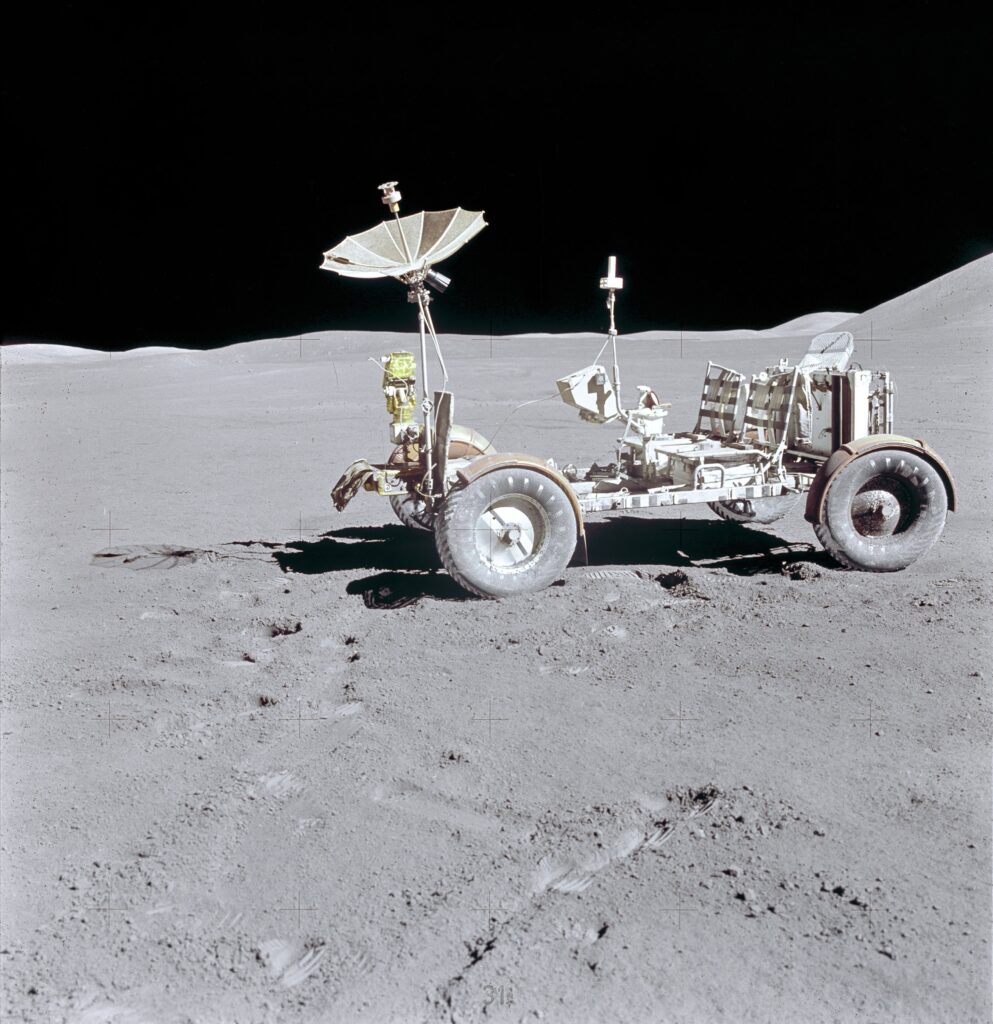
Apollo 15 – NASA, 1971. Apollo 15 became the first mission to use the Lunar Roving Vehicle. Here, the LRV is photographed against the lunar background following the third Apollo 15 EVA, 1971.,Image: 517478885, License: Rights-managed, Restrictions: , Model Release: no, Credit line: Profimedia
Foto: Profimedia Images